Discover Adsorbent Vs Absorbent through Simple Practical Performance Comparisons

Understanding material performance is essential when selecting solutions for moisture control, purification, filtration, and product protection. Two commonly discussed concepts are adsorbent and absorbent materials. Although their names sound similar, their functions are different. Learning how each one works through practical comparisons helps users make informed decisions and achieve better results across various applications.

Understanding the Basic Difference

The primary distinction lies in how materials interact with liquids, gases, or moisture.

  • Adsorbent materials capture substances on their outer surface.
  • Absorbent materials take substances into their internal structure.
  • Both help improve efficiency and cleanliness.
  • Each offers unique advantages depending on the application.
  • Proper selection supports reliable and consistent performance.

When comparing adsorbent vs absorbent materials, it becomes easier to understand which option is suitable for specific operational goals.

How Adsorbent Materials Perform

Adsorbent materials are designed with numerous surface pores that attract and hold molecules. Instead of drawing substances deep inside, they retain them on the surface.

Key Benefits of Adsorbent Materials

  • Excellent moisture control capabilities.
  • Effective removal of impurities.
  • Supports product quality preservation.
  • Helps maintain dry operating conditions.
  • Delivers dependable performance in controlled environments.

These characteristics make adsorbent materials valuable whenever precise moisture or contaminant management is required.

How Absorbent Materials Perform

Absorbent materials function differently by soaking liquids into their internal structure. They act much like a sponge, storing liquid throughout the material.

Key Benefits of Absorbent Materials

  • Rapid liquid uptake.
  • Useful for spill management.
  • Simple and practical operation.
  • Helps maintain cleaner surfaces.
  • Supports efficient liquid containment.

Because of their ability to hold significant amounts of liquid, absorbent materials are often selected for applications involving direct fluid contact.

Practical Performance Comparisons

Examining everyday performance scenarios helps highlight the differences more clearly.

Moisture Management

  • Adsorbent materials excel at capturing water vapor.
  • Absorbent materials perform better with visible liquids.
  • Adsorbents often provide longer-lasting moisture control.
  • Absorbents offer quick liquid collection.

Purification Processes

  • Adsorbents can remove unwanted particles and contaminants.
  • Absorbents mainly focus on liquid retention.
  • Adsorbents support cleaner processing conditions.
  • Adsorbents help improve product consistency.

Environmental Control

  • Adsorbents assist in maintaining stable conditions.
  • Absorbents help manage accidental liquid releases.
  • Both contribute to cleaner operations.
  • Both improve efficiency when used appropriately.

Choosing the Right Material

Selecting the best option depends on the intended purpose.

Consider the following factors:

  • Type of substance being managed.
  • Desired performance outcome.
  • Environmental conditions.
  • Duration of use.
  • Maintenance requirements.
  • Efficiency goals.
  • Quality protection needs.

A clear understanding of application requirements allows for more effective material selection and improved overall performance.

Conclusion

Adsorbent and absorbent materials each provide valuable advantages that contribute to efficient operations and reliable results. Adsorbent materials offer exceptional surface-based capture of moisture and contaminants, while absorbent materials excel at taking in and retaining liquids. By understanding their practical performance differences, users can confidently select the most suitable solution, enhance process efficiency, support product quality, and achieve dependable outcomes across a wide range of applications.
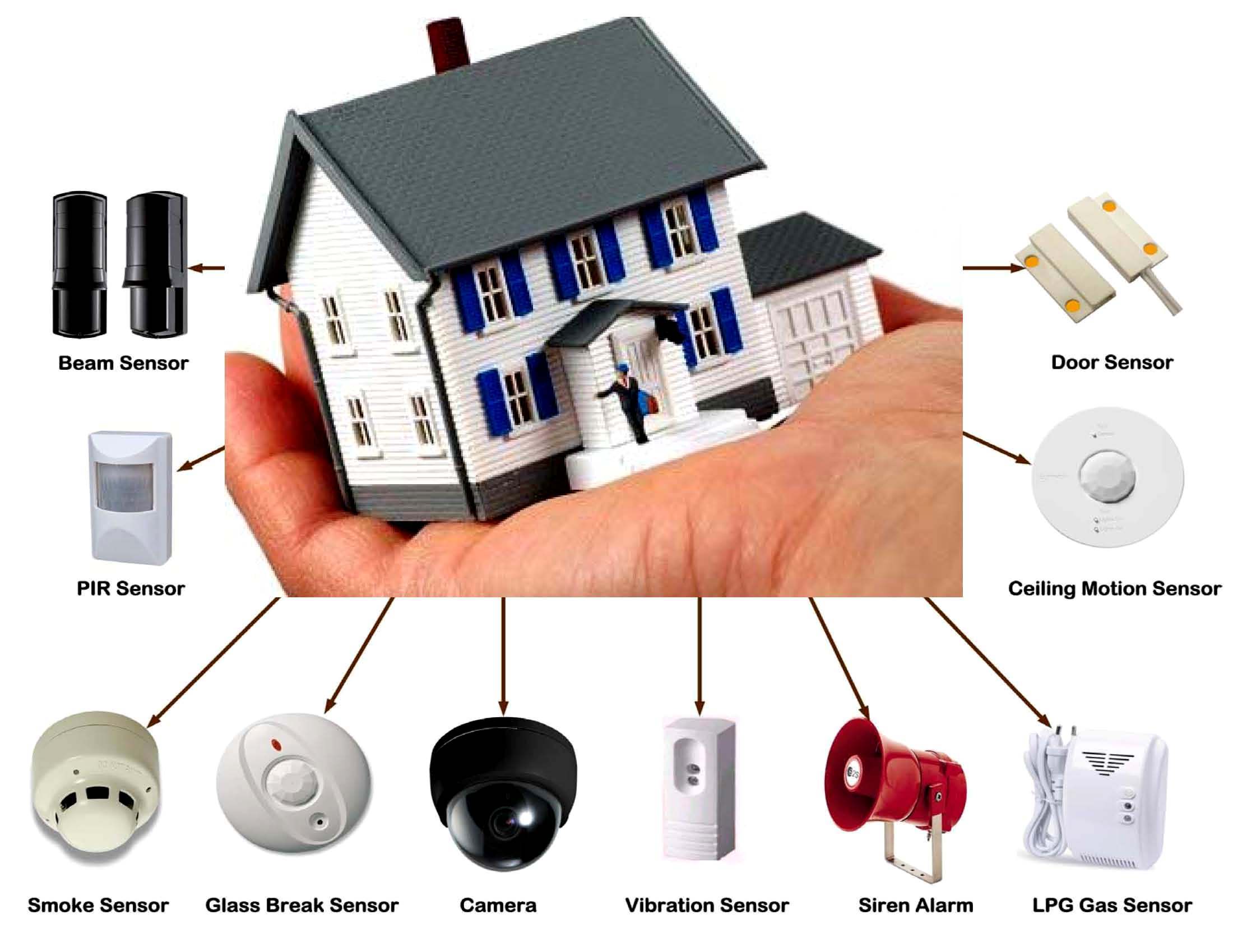
 

CCTV Installation on the Gold Coast: What It Really Involves (and what people underestimate)

CCTV on the Gold Coast isn’t just “pick cameras, screw them in, done.” Between salt air, wild storms, privacy obligations, and the reality that most break-ins happen at the least convenient angle, the job is part security design, part networking, part weatherproofing.

And yes, part politics if there’s a strata committee involved.


 Start with the boring stuff: goals, scope, and the site survey

If you can’t describe what the system is meant to achieve in one or two sentences, you’re going to overspend and still miss the footage you need.

I usually push people to define outcomes, not gear. Do you want face identification at a gate? Vehicle plates at a driveway? Evidence-grade coverage for a cash area? Those are different lens choices, different mounting heights, different storage requirements.

A proper site survey on the Coast is not a casual walk-around either. Whether you’re planning it yourself or getting help with CCTV installation on the Gold Coast, you map:

– entry and exit paths (including the “obvious” side gate everyone forgets)

– lighting changes across the night (streetlights, sensor lights, reflections off water)

– mounting surfaces (brick vs. rendered vs. timber vs. metal fascia)

– cable paths and where they’ll be exposed to salt and UV

– power availability and the realistic network route back to the recorder/switch

Then you turn that into something auditable: a coverage plan, camera count, and a retention target that matches your risk profile.

One-line truth: If you don’t plan retention up front, you’ll pay for storage twice.


 Compliance isn’t optional (even if it feels annoying)

Now, this won’t apply to everyone, but if your cameras capture beyond your boundary line, shared areas, or public space, you’re immediately in “privacy and signage” territory. You need to think about who can access footage, how long it’s kept, and how you’ll handle requests. In commercial settings, add staff policies and access logging, because “everyone knows the admin password” is how systems end up on the internet.


 Coastal camera selection: salt air doesn’t care about your budget

Here’s the thing: plenty of cameras look great on paper. Put them a few hundred metres from the ocean and they age like milk.

You’re balancing performance against survivability:

Environmental durability (non-negotiable near the beach)

– IP rating for water/dust ingress

– corrosion-resistant housings and fasteners

– proper cable glands and seals that don’t perish in UV

Optics and identification

A wide field of view reduces blind spots, sure. But I’ve seen wide-angle installs that give you gorgeous “scene coverage” and useless identification. If you can’t confidently recognise a face or read a plate when it counts, you basically bought a very expensive motion-triggered light show.

Low-light capability matters more than people think, especially around coastal glare and mixed lighting. Sensors that handle contrast well are often more valuable than chasing extreme resolution.

A real-world trade-off: higher resolution can mean heavier bitrate and more storage, and if the network is underdone, playback becomes choppy exactly when you need smooth motion.


 A quick data point (because specs matter)

According to the Australian Signals Directorate’s ACSC, unpatched and internet-exposed devices are a common pathway for compromise, and they repeatedly advise keeping firmware updated and restricting external access. Source: Australian Cyber Security Centre (ACSC) guidance via cyber.gov.au.

That’s not “IT paranoia.” It’s practical CCTV hygiene.


 Power, wiring, and network: this is where installs succeed or fail

I’m going to be blunt: most “CCTV problems” are actually power and networking problems.

Salt and humidity punish connectors, terminations, and cheap enclosures. So you plan like you’re building a small outdoor network (because you are).


 The technical briefing version

– Prefer PoE where feasible to reduce failure points and simplify power distribution.

– Use corrosion-resistant cabling and outdoor-rated conduit; avoid exposed runs where wind can flex and fatigue the line.

– Keep voltage drop in mind on longer runs; cable gauge and PoE budget aren’t theoretical.

– Install proper surge protection and grounding bonded to the main electrical earth (done correctly, not “close enough”).

– Segment CCTV traffic on the network (VLANs), and apply QoS so video doesn’t fight with office traffic.

– Backup power: size a UPS for the recorder and switching, otherwise the cameras can be alive while the recording is dead (I’ve seen it).

Look, if you’re on a hill or in a storm-prone pocket of the Coast, take lightning seriously. You don’t have to be a direct strike to lose ports, cameras, or an NVR.

One-line emphasis: Surge protection is cheaper than replacing eight cameras at once.


 Mounting and layout: subtle doesn’t mean ineffective

People often want cameras “hidden.” Fair. Just don’t hide them so well they become useless. A camera tucked under deep eaves might stay dry, but it can also catch nothing but glare and foreheads.

You want overlapping fields of view where it counts: entrances, paths to doors, garage approaches, side access corridors. Mount high enough to deter tampering, but not so high that faces turn into blurry ovals. Angle matters. So does background light. You don’t want the sunrise washing out your driveway shot for half the year.

In my experience, the best installs are the ones where the cabling is protected and the cameras are accessible for service without dismantling half the house (serviceability is part of “durable,” even if nobody says it).

And yes, spend time on the small stuff: gaskets, sealant, correct fasteners, torque. Coastal wind loads will find your shortcuts.


 Recording + remote access (the part where people get risky)

Do you actually need remote access from anywhere, or do you just like the idea of it?

Because opening up a recorder to the public internet is still one of the fastest ways to end up regretting your choices.

If you’re doing it properly, you’ll set policy before settings:

– Who can view live footage?

– Who can export clips?

– How long is footage kept?

– What gets logged?

Then the configuration:

Role-based access. Minimum privilege. Multi-factor authentication for any remote login. Encrypted connections only. If you can avoid port-forwarding, avoid it. Use a secure gateway or VPN approach so the system isn’t shouting at the internet.

Storage settings should be chosen with intent. High quality everywhere sounds nice until you realise your retention is now seven days instead of thirty, and the one incident you need is already overwritten.

Tamper-evident logs and audit trails help in commercial environments, strata disputes, and any situation where footage might be challenged.


 Maintenance and ROI: the unsexy part that keeps it working

Some systems “fail” slowly. A lens gets hazy. Salt film builds up. A mount loosens by a few degrees. Motion zones drift after a firmware change. Nobody notices… until the incident.


 Diagnostics cadence (practical, not perfect)

Run a basic health check regularly: camera views, recording status, storage health, time sync, and remote playback. Then schedule deeper checks less often: physical sealing, corrosion inspection, connector condition, and UPS runtime testing.

A short list helps here:

– Confirm every camera is recording and time-stamped correctly

– Review a random playback sample (day and night)

– Check for condensation inside domes/housings

– Inspect mounts and cable entry points for movement or cracking seals

– Review event logs for false alarms and tweak thresholds


 Updates: do them, but don’t YOLO them

Firmware and software updates close holes and fix bugs, but rushed updates can also break camera compatibility or analytics. Stage updates where you can. Keep a version baseline. Update during quiet periods. Verify immediately after: live view, record, playback, alerts.

ROI tracking sounds corporate, but it’s actually simple if you keep it grounded: measure uptime, downtime, false alarms, time-to-retrieve footage, and how often the system helps resolve an incident without guesswork.

One-line reality check: A CCTV system that no one maintains is just wall décor with a blinking LED.


 What you’ll need to decide before anyone buys equipment

Not a huge list, but it’s decisive:

– What “success” looks like (deterrence, ID, evidence, monitoring, all of the above)

– Retention period and who can access footage

– Priority zones vs. nice-to-have zones

– Remote access method (secure gateway/VPN beats open ports)

– Coastal exposure level and how hard you need to lean into marine-grade choices

Make those calls early, and the rest of the installation becomes engineering instead of guesswork.

Efficient Monitoring Solutions For Continuous Property Protection Coverage

Efficient monitoring solutions play a key role in maintaining uninterrupted property protection coverage. These systems are designed to provide consistent awareness, helping ensure that potential risks are identified early and managed effectively. Continuous observation strengthens overall safety and supports long-term security confidence.

  • Provides uninterrupted observation of surroundings
  • Enhances early detection of unusual activity
  • Strengthens overall safety awareness
  • Supports proactive protection measures
  • Improves response readiness in critical moments

Real-Time Awareness and Responsiveness

Modern monitoring solutions emphasize real-time awareness, allowing situations to be observed and assessed instantly. This helps ensure that any irregular activity is recognized quickly, enabling timely and appropriate responses without delay.

  • Immediate detection improves reaction speed
  • Continuous updates enhance situational clarity
  • Instant awareness reduces security gaps
  • Faster recognition supports quick decision-making
  • Real-time feedback improves control efficiency

Multi-Layered Surveillance Coverage

 Security Solutions

A strong monitoring system often includes multiple layers of coverage to ensure comprehensive protection. This layered approach reduces blind spots and ensures that all critical areas are consistently observed for better overall security performance.

  • Multiple coverage points increase visibility
  • Layered monitoring reduces vulnerabilities
  • Overlapping systems improve reliability
  • Broader observation strengthens protection scope
  • Redundant tracking ensures consistency

Smart Detection and Analysis Features

Efficient monitoring solutions often include intelligent detection capabilities that help identify unusual patterns or movements. These features improve the accuracy of monitoring and reduce unnecessary alerts, enhancing operational effectiveness.

  • Pattern recognition improves accuracy
  • Automated detection reduces manual effort
  • Smart alerts enhance situational awareness
  • Analysis tools improve decision clarity
  • Reduced false alerts increase efficiency

Remote Accessibility and Control Flexibility

Modern monitoring systems are designed to offer flexible access and control options, allowing users to stay connected to property protection from different locations. This enhances convenience and ensures continuous oversight regardless of physical presence.

  • Remote access improves convenience
  • Flexible control enhances usability
  • Continuous updates support awareness
  • Accessible systems improve responsiveness
  • Real-time connection ensures reliability

System Integration for Improved Efficiency

Efficient monitoring solutions often integrate multiple components to create a unified protection structure. This integration improves coordination between different monitoring elements and enhances overall system performance.

  • Unified systems improve coordination
  • Integrated tools enhance performance
  • Streamlined structure reduces complexity
  • Connected components increase efficiency
  • Centralized monitoring improves control

Maintenance and Performance Optimization

Regular maintenance is essential for ensuring monitoring systems continue to function effectively over time. Proper optimization helps maintain accuracy, reliability, and long-term performance stability.

  • Routine checks ensure consistent performance
  • System updates improve functionality
  • Preventive maintenance reduces failures
  • Performance tuning enhances reliability
  • Regular evaluation supports stability

Growing Dependence on Efficient Monitoring Solutions

There is increasing reliance on efficient monitoring systems for continuous protection coverage due to their ability to provide reliable oversight and improved security management. These solutions help maintain awareness and support better decision-making in real time, including systems associated with JR Security Solutions Kitchener.

  • Rising demand for continuous monitoring
  • Increased focus on proactive protection
  • Greater reliance on smart systems
  • Improved efficiency in security coverage
  • Enhanced confidence in safety management

Conclusion: Strengthening Continuous Protection

Efficient monitoring solutions contribute significantly to maintaining uninterrupted property protection coverage. Their ability to combine real-time awareness, layered observation, and smart detection ensures strong and consistent security performance. These systems continue to play a vital role in enhancing safety, improving responsiveness, and supporting long-term protection strategies.

  • Continuous monitoring improves safety reliability
  • Smart systems enhance operational efficiency
  • Layered coverage strengthens protection
  • Real-time awareness improves decision-making

Ongoing optimization ensures long-term performance