Growing methods can shape the character of THCA flower, giving each harvest its own combination of aroma, appearance, texture, cannabinoid concentration, and terpene expression. From controlled indoor environments to naturally influenced outdoor cultivation, each approach offers opportunities to develop distinctive flower profiles. Understanding these methods helps explain why different flowers can have unique qualities.
Indoor Growing Supports Precision
Indoor cultivation allows growers to manage environmental factors closely. Light, temperature, humidity, airflow, and watering can be adjusted throughout the growth cycle.
- Consistent conditions can encourage uniform plant development.
- Controlled lighting can support planned growth stages.
- Humidity management can help maintain desirable flower quality.
- Detailed routines can promote attractive structure and density.
These conditions give growers flexibility when developing specific characteristics from one harvest to another.
Outdoor Growing Encourages Natural Development
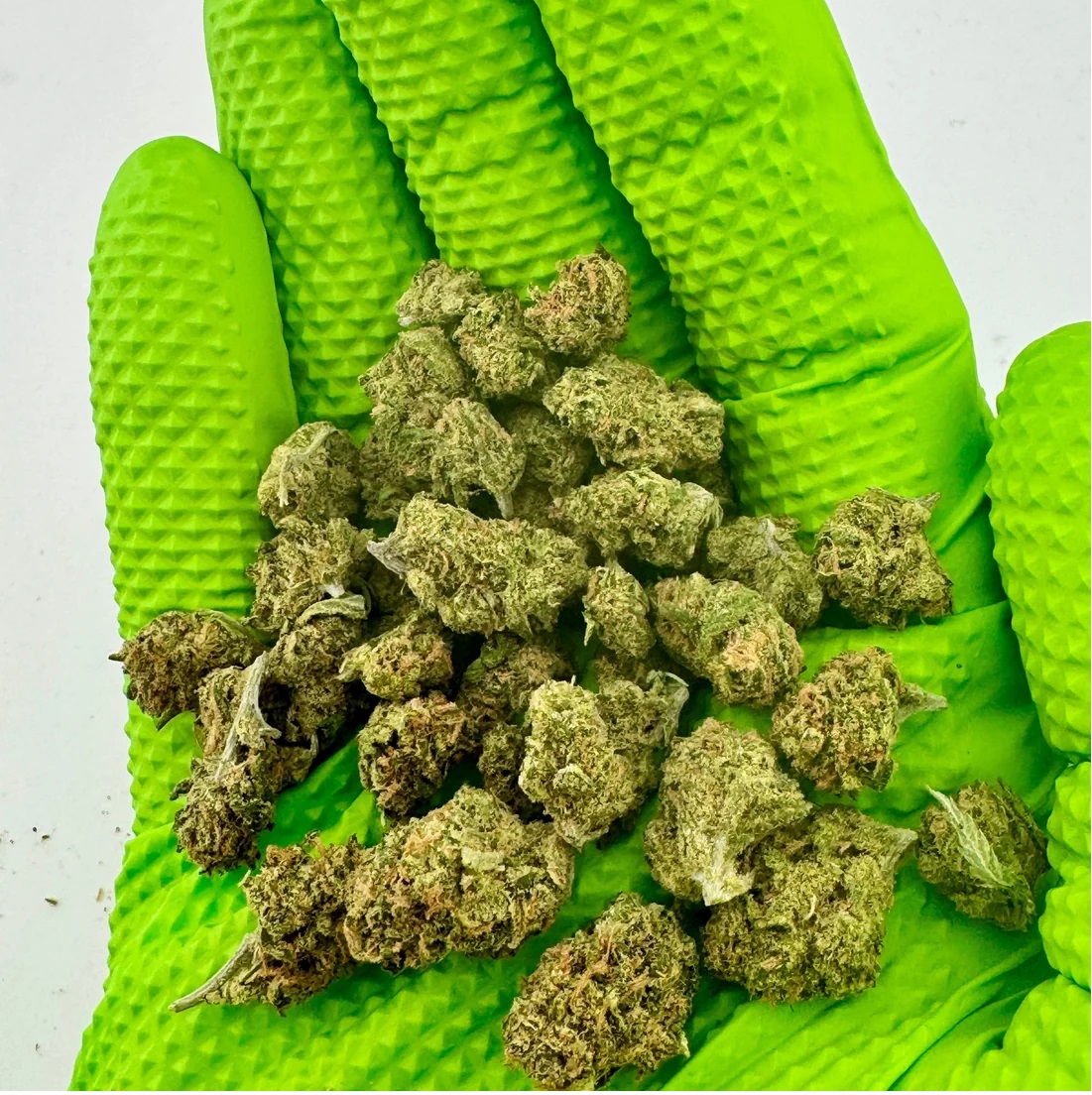
Outdoor cultivation gives plants access to natural sunlight and changing environmental conditions. This approach can contribute to a distinctive character shaped by the growing season.
- Natural sunlight provides broad-spectrum illumination.
- Fresh airflow supports healthy plant development.
- Seasonal conditions can influence aroma and appearance.
- Natural exposure can create a recognizable flower profile.
The result can be flower with an appealing combination of visual character, fragrance, and texture.
Greenhouse Growing Blends Valuable Features
Greenhouse cultivation combines controlled growing with natural environmental influence. Growers can benefit from sunlight while maintaining greater control over important conditions.
- Supplemental lighting can support growth when needed.
- Environmental controls can help maintain suitable temperature and humidity.
- Natural sunlight can contribute to terpene development.
- Flexible management allows routines to adapt to conditions.
This balanced approach can create flower with an appealing blend of consistency and natural character. As consumers compare cultivation styles, greenhouse methods provide another useful point of distinction. References such as OutSFL may also appear when discussing cultivation-related qualities and product information.
Hydroponic Methods Offer Targeted Control
Hydroponic cultivation uses nutrient-rich water rather than traditional soil. This method allows growers to manage nutrient delivery with precision.
- Nutrient levels can be adjusted according to plant requirements.
- Water availability can be monitored carefully.
- Root environments can receive consistent attention.
- Efficient resource management can support healthy development.
These advantages can contribute to flower with consistent structure and carefully developed characteristics.
Why Growing Methods Matter
The growing environment can influence plant development throughout its lifecycle. Genetics remain important, while cultivation practices can help shape how those genetics are expressed.
- Aroma may vary with growing conditions and terpene development.
- Flower density and structure can differ between methods.
- Texture can reflect harvesting, drying, and environmental practices.
- Cannabinoid and terpene profiles can create distinctive characteristics.
Appreciating these differences makes THCA flower selection more engaging. By considering cultivation methods alongside potency, aroma, appearance, and testing information, consumers can better understand the qualities that make each flower profile distinct