Thinking about fixing your foundation? It’s not just about picking a repair and hoping for the best. Contractors actually weigh a bunch of factors—like soil type, moisture levels, and how much your house has moved—to find the right fix for your budget and timeline.
What Foundation Repair Options Are Out There?
First, let’s get a lay of the land. There’s no one-size-fits-all answer, so the right method depends on what’s actually causing your problems. If you want to learn more about different foundation repair methods, including costs and how they work, here’s a helpful resource.
Common Foundation Repair Options:
– Underpinning: Adds support under your foundation for serious settling.
– Pier Systems: Uses steel or concrete piers to stabilize shifting foundations.
– Slab-on-Grade Repairs: Good for cracks or sinking in concrete slabs.
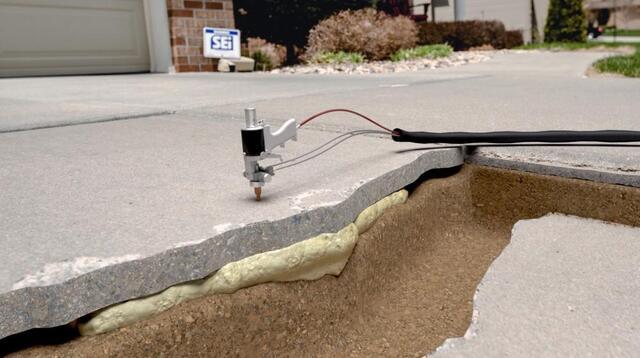
– Slabjacking/Mudjacking: Pumps material under sunken slabs to lift them.
– Bracketed Underpinning: Great for tricky soils or deep problems.
Things contractors consider:
– How severe the damage is
– What kind of soil you have
– If there’s ongoing movement
– How easy it is to access the problem area
– Your budget and how much disruption you can handle
How Soil Affects Your Options
Soil is a huge factor. Here’s how contractors break it down:
- Soil Type
– Sandy Soil: Drains quickly, less lateral resistance. Usually calls for anchors or shallow pilings.
– Clayey Soil: Swells and shrinks a lot. You’ll need deeper supports and moisture control.
– Mixed/Other Soils: Contractors will look at load paths and may recommend special grouts or resins.
- Moisture Content
– Wet or dry soil changes how stable your foundation is.
– Contractors measure moisture to pick the right method and plan when to do the work.
– Stable moisture = more predictable results.
- Bearing Capacity
– This is how much weight your soil can handle.
– Weak soils mean you’ll need deeper or more robust repairs.
– Contractors use tests to figure out if underpinning, helical piers, or another method is best.
Assessing the Damage: How Bad Is It?
Before any work starts, you need to know what you’re dealing with.
Types of Movement
– Lateral: Walls bowing or moving sideways.
– Vertical: Sinking or rising (settlement or heave).
– Combined: A mix of both.
Severity
– Contractors use measurements like crack width, tilt, and how fast things are moving.
– They’ll track changes over time to see if it’s getting worse.
Damage Patterns to Watch:
– Stair-step cracks in brick or block
– Gaps around doors/windows
– Floors that slope or feel bouncy
– Uneven gaps between columns, walls, and slabs
Comparing Repair Methods
Let’s talk pros and cons.
| Method | Good For | Pros | Cons |
|———————-|———-|——|——|
| Piering | Deep, unstable soils | Fast correction, strong support | Can be costly, needs good load transfer |
| Slab Repair | Cracked/sunken slabs | Less disruptive, cost-effective | Only works if soil is stable |
| Underpinning | Major settlement | Long-term fix, very stable | Big project, can be disruptive |
Epoxy vs. Polyurethane: Which Filler Should You Use?
– Epoxy: Super strong, bonds well to solid concrete, and is great for structural cracks that need to stay rigid. Not ideal if your foundation keeps moving.
– Polyurethane: Flexible and can handle some movement. Good for leaking cracks or areas that might shift a bit more.
Quick tip: Use epoxy for serious, rigid repairs; polyurethane for flexible, “still moving” spots.
External vs. Internal Repairs
– External Repairs: Done from outside; less mess inside, but can be tougher in bad weather and might expose your house to more moisture.
– Internal Repairs: Done from inside; less landscape disruption, but can be tricky around utilities and living spaces.
Contractors weigh:
– Access (can they get to the problem easily?)
– Utility lines (will they have to move pipes or wires?)
– How much mess and disruption you’re okay with
What About Cost, Longevity, and Future Movement?
– Initial costs depend on method, materials, and labor.
– Longevity is about choosing the right fix for your soil and structure—cheap repairs can fail fast.
– Future-proofing: Good contractors will model how your repair will hold up as soils shift with the seasons.
Don’t forget: Ask about warranties, maintenance needs, and how often you should check for new movement.
Homeowner’s Decision Checklist
Ready to choose? Here’s a handy list:
– [ ] Get a thorough inspection (and a second opinion if you’re unsure)
– [ ] Understand the root cause (Is it moisture, soil, poor drainage?)
– [ ] Match the method to your problem (Don’t just pick the cheapest!)
– [ ] Check for utility conflicts (plumbing, electric, HVAC)
– [ ] Ask about costs, warranties, and maintenance
– [ ] Plan for follow-up monitoring
– [ ] Get all recommendations in writing
Bottom line: Foundation repairs aren’t just about fixing what’s visible—you need a solution that matches your soil, damage, and house for the long haul. Ask lots of questions, stay involved, and don’t be afraid to seek a second opinion!